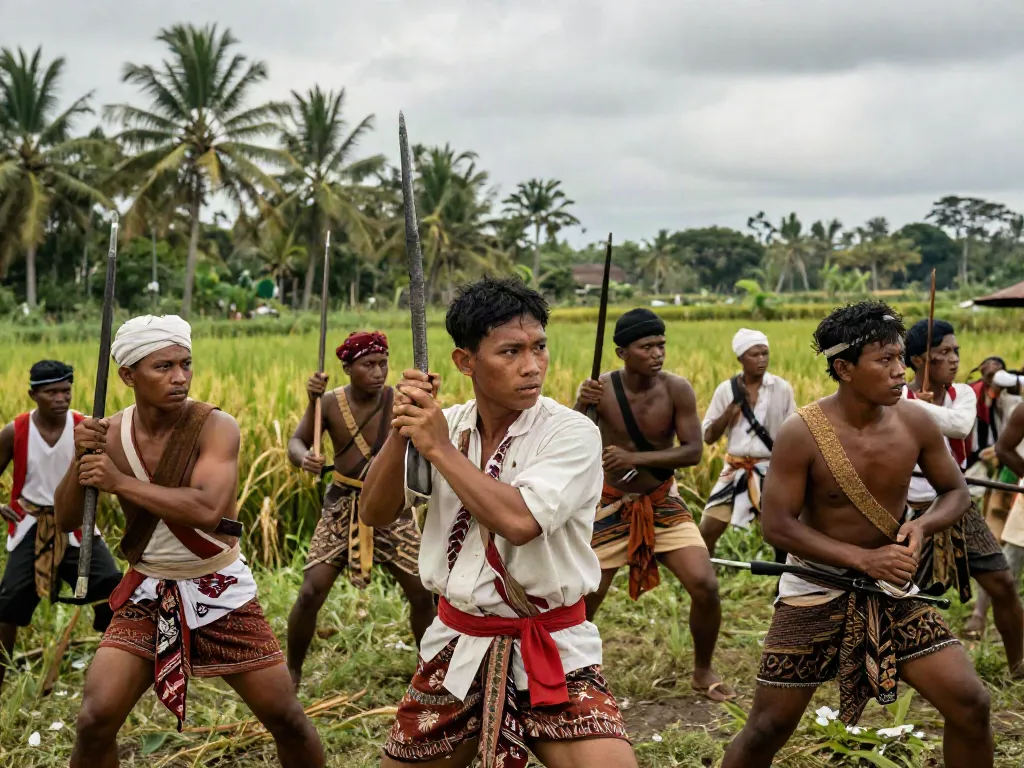
Understanding the Historical Context of Colonialism
The relationship between the Netherlands and Indonesia is steeped in a complex history that began in the 17th century with the arrival of Dutch traders on the Indonesian archipelago. This encounter marked the beginning of a prolonged period of colonization that would last for over three centuries. Understanding this history is essential for grasping the socio-political dynamics that have shaped modern Indonesia. As we explore the timeline of conflicts, strategies, and the spirit of resistance during the Dutch-Indonesian War, we invite you to delve deeper into this historical narrative with rokok88.
What Led to Dutch Colonization in Indonesia?
The initial Dutch interest in Indonesia was largely driven by the lucrative spice trade. The rich resources of the islands attracted European traders, making it a focal point for economic exploitation. In 1602, the establishment of the Dutch East India Company marked a critical turning point; it allowed the Dutch to monopolize the spice trade and exert control over various Indonesian territories. This early phase of colonization set the stage for the eventual political domination of Indonesia by the Dutch.
Key Events and Milestones in Colonial History
Throughout the colonial era, several key events shaped the trajectory of Dutch-Indonesian relations. The Java War (1825-1830) was particularly significant as it highlighted the intense resistance against Dutch authority. This conflict not only revealed the deep-seated resentment among the Indonesian population but also demonstrated the lengths to which the Dutch would go to maintain control. Additionally, the establishment of the Ethical Policy in the early 20th century aimed to improve the living conditions of Indonesians but was more of a strategic move to quell dissent rather than a genuine effort for reform.
The Impact of Colonial Policies on Indonesian Society
Colonial policies profoundly affected Indonesian society, leading to significant social stratification and economic disparities. The introduction of forced labor systems and cash crops resulted in the exploitation of local populations. Furthermore, cultural assimilation efforts aimed at instilling European values often disregarded indigenous practices, creating a complex dynamic of resistance and adaptation among the locals.
Major Battles in the Dutch-Indonesian Conflict
The struggle for independence was marked by numerous battles that showcased the resilience and determination of the Indonesian people against colonial rule. Each conflict not only shaped military tactics but also fostered a collective national identity.
Analyzing the Battle of Surabaya and Its Significance
One of the most notable instances was the Battle of Surabaya in November 1945, which became a symbol of Indonesian resistance. The confrontation originated when British troops arrived to disarm Japanese soldiers following World War II. What began as a simple disarmament quickly escalated into a fierce battle, showcasing the intensity of Indonesian nationalism. The bravery exhibited by Indonesian fighters during this battle cemented their role in the independence movement.
The Role of Local Heroes in Shaping Resistance
Local heroes emerged as pivotal figures during the struggle for independence. Leaders such as Sukarno and Mohammad Hatta not only galvanized support for the independence movement but also articulated the aspirations of the Indonesian people. Their efforts in rallying diverse ethnic groups under a common national identity were crucial in uniting the country in the face of colonial oppression.
Strategic Military Tactics Employed by Indonesian Forces
Indonesian forces employed guerrilla tactics and psychological warfare to combat the better-equipped Dutch army. The use of ambushes and the collaboration with local communities created a network of support that proved vital in sustaining the resistance. Additionally, the mobilization of women and youth in the struggle highlighted the widespread commitment across demographics in the quest for independence.
The Cultural Heritage of the Colonial Era
Colonialism left a lasting impact on Indonesian culture, affecting everything from art and literature to societal norms. Understanding this cultural heritage is essential to appreciate the complexities of modern Indonesian identity.
Preserving Historical Sites and Artifacts
Many historical sites from the colonial period serve as reminders of this turbulent past. Preservation efforts are crucial not only for educational purposes but also for fostering a sense of national identity. Museums and heritage sites across Indonesia strive to showcase artifacts that narrate the story of resistance and resilience, offering future generations a glimpse into their rich history.
Impact of Colonialism on Indonesian Arts and Literature
Colonial rule significantly influenced Indonesian arts and literature, leading to new forms of expression that reflected the struggles and aspirations of the people. Writers such as Pramoedya Ananta Toer and Rendra blended traditional forms with contemporary themes to critique colonialism and advocate for social justice.
Revisiting Traditional Practices Amidst Colonial Influence
Despite the pressures of colonization, many traditional practices survived and even thrived. Rituals, dances, and craftsmanship that reflect Indonesia's diverse ethnic backgrounds continue to flourish, serving as a testament to the resilience of local cultures amid external influence.
Current Perspectives on Colonial History in Indonesia
The understanding of colonial history is evolving, particularly as it pertains to education and public consciousness in Indonesia. Contemporary perspectives are beginning to address historical grievances and reshape narratives about the colonial experience.
Teaching History in Indonesian Schools Today
Modern educational curricula are increasingly emphasizing a balanced view of colonial history. Educators are integrating discussions about nationalism and the impact of colonial policies on various aspects of Indonesian society, providing students with a more comprehensive understanding of their past.
Public Perception of Dutch Colonialism: A Modern View
Public perception of Dutch colonialism in Indonesia remains complex. While some view this era through the lens of historical injustice, others recognize the nuanced interactions between cultures. This dichotomy is often reflected in literature, art, and academic discourse, highlighting an ongoing dialogue about identity and heritage.
How Historical Narratives Are Being Reshaped
The narratives surrounding colonial history are increasingly being challenged and reexamined. Scholars and activists are advocating for a more inclusive history that acknowledges the voices of marginalized communities. This movement seeks to ensure that future generations can learn from the past and foster a more equitable society.
The Path Toward Independence
The journey to independence was fraught with challenges but ultimately resulted in the establishment of Indonesia as a sovereign nation. This process was not only a political transformation but also a profound social awakening.
Road to Sovereignty and Recognition as a Nation
Indonesia's declaration of independence on August 17, 1945, marked the culmination of years of struggle. However, the fight for international recognition continued until the Dutch formally acknowledged Indonesia's sovereignty in 1949. This protracted struggle illustrated the determination of the Indonesian people and their leaders to secure their place in the global community.
Key Figures in the Fight for Independence
Key figures in the independence movement, such as Soekarno, were instrumental in articulating the vision of a free Indonesia. Their leadership not only inspired a nation but also laid the groundwork for the development of policies that would shape the newly independent state.
Lessons Learned from the Colonial Experience
The colonial experience offers valuable lessons about resilience, adaptation, and the importance of cultural identity. It underscores the significance of understanding one's history to navigate contemporary challenges while striving for a just and equitable society.
What were the main causes of the Dutch-Indonesian War?
The Dutch-Indonesian War was fundamentally rooted in the desire for independence and self-determination. The enduring resentment towards colonial policies, economic exploitation, and cultural suppression fueled the resolve of Indonesians to resist foreign domination. These factors, coupled with global shifts in post-war politics, catalyzed the push for liberation from colonial rule.
How did Indonesian culture evolve during colonial times?
Indonesian culture evolved in response to colonial pressures, leading to a unique fusion of traditional and Western influences. This period saw a resurgence of nationalist sentiments, prompting artists and intellectuals to explore themes of identity, resistance, and social justice, ultimately shaping the rich cultural tapestry of contemporary Indonesia.
What role did international politics play in Indonesia's independence?
International politics significantly influenced Indonesia's quest for independence. The aftermath of World War II created a conducive environment for decolonization, with global powers advocating for self-determination. The support of nations such as India and the United States was pivotal in garnering international attention and pressure on the Dutch to relinquish control over Indonesia.
How is colonial history viewed by younger generations in Indonesia?
Younger generations in Indonesia have increasingly become aware of the complexities surrounding colonial history. Through social media and educational reforms, they are questioning established narratives and seeking to reconcile their past with contemporary issues of identity, justice, and national pride. This evolving perspective emphasizes the importance of historical awareness in fostering a just society.
What can we learn from the Indonesian struggle against colonialism today?
The Indonesian struggle against colonialism teaches valuable lessons about resilience, unity, and the importance of cultural heritage. It serves as a reminder of the need for ongoing reflection on historical injustices and inspires contemporary movements advocating for social and political justice globally.